
How Does Window Tinting Affect Vehicle Performance?
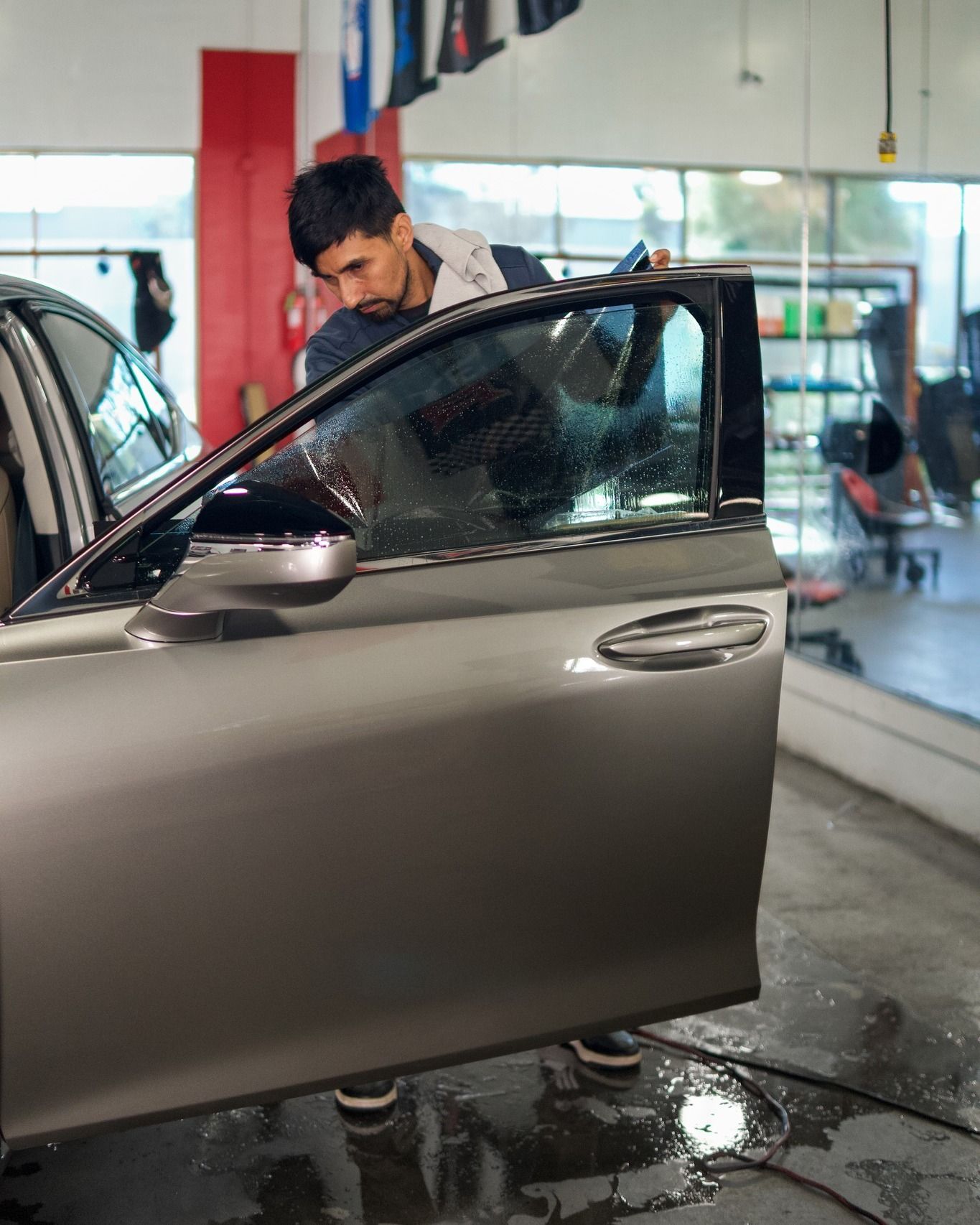
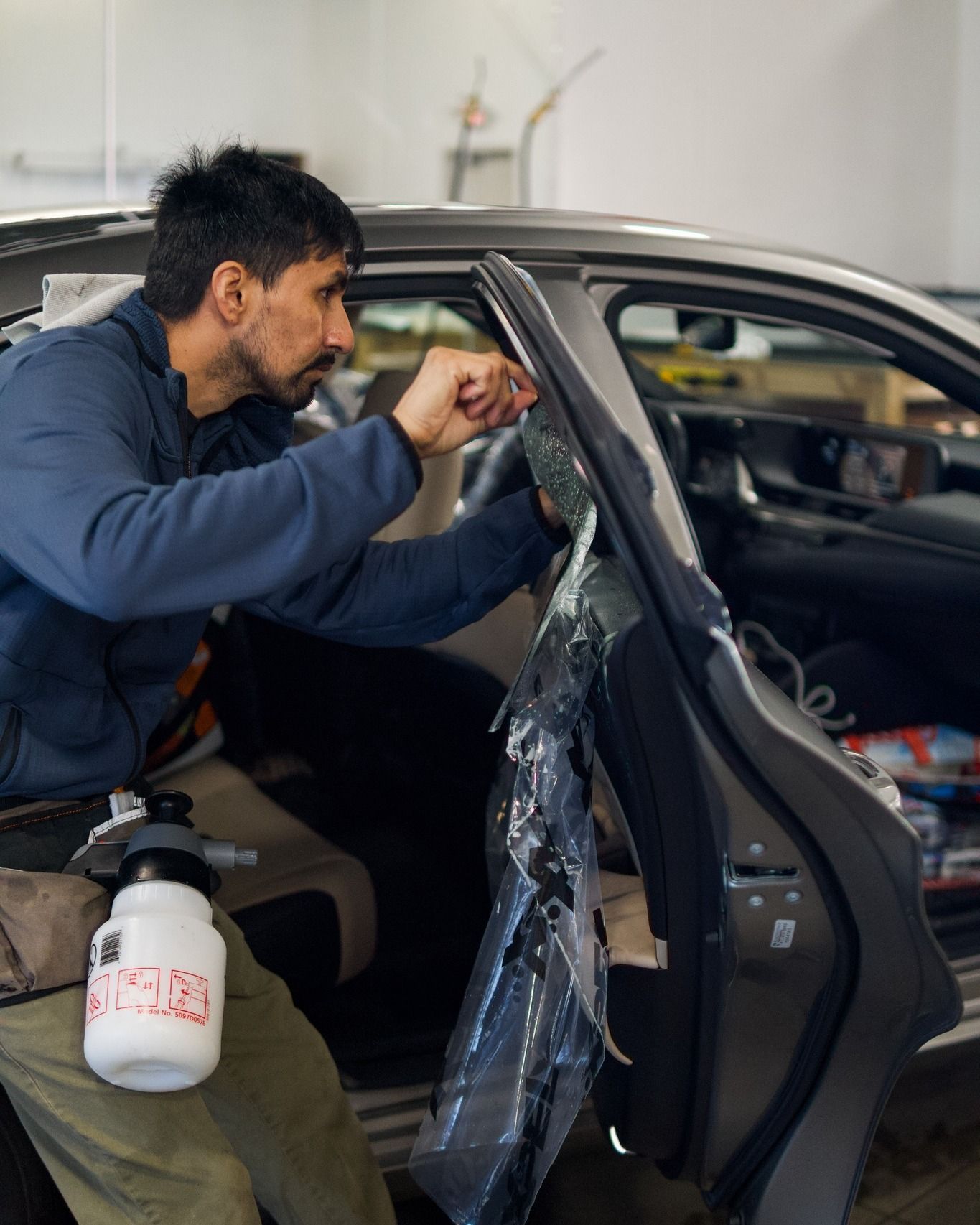
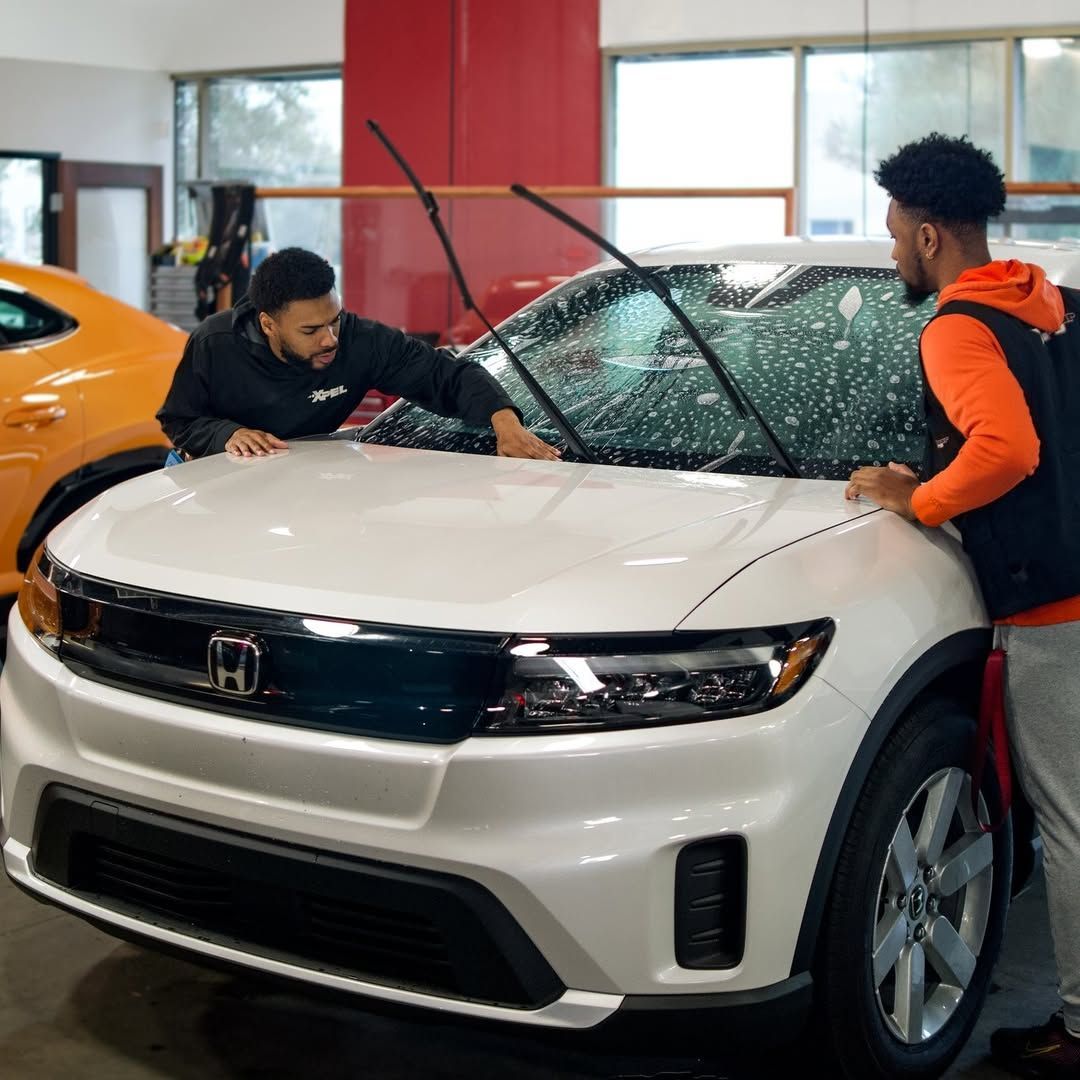
Window tinting can improve your driving experience by reducing incoming solar heat, limiting glare, and helping protect your interior from ultraviolet exposure. However, it does not increase horsepower, improve braking, or change how your vehicle handles. Its main benefits involve cabin comfort and protection, with a possible indirect effect on the energy needed for air conditioning.
For drivers in Murrieta and Temecula, understanding these differences makes it easier to choose window tint based on practical benefits. The right film should address your priorities without creating unrealistic expectations about fuel savings or vehicle performance.
At Clear Pro, we help vehicle owners compare window tint options based on their driving habits, preferred appearance, and budget. Here is what to consider before choosing a film.
The Impact of Window Tinting on Vehicle Performance
Window tinting mainly influences cabin comfort rather than your vehicle’s mechanical performance. Its benefits relate to how the interior feels during daily driving. By limiting some of the solar energy passing through the glass, window film can help reduce heat buildup. Depending on its specifications and shade, it may also soften bright sunlight and increase privacy.
Tint does not change how the engine, suspension, or transmission operates, nor does it increase the air conditioner’s cooling capacity. Heat-rejecting film may, however, reduce the amount of incoming solar heat the system needs to manage.
When comparing tint options, focus on heat rejection, visibility, and film quality. These factors provide a more practical basis for your decision than expectations of faster acceleration or guaranteed fuel savings.
Can Window Tint Help Keep Your Cabin Cooler?
Sunlight entering through vehicle glass heats the seats, dashboard, and surrounding surfaces, raising the cabin temperature. This heat can build up while the vehicle sits outdoors. Window tint helps limit some of the solar energy entering through the treated glass. Its effectiveness varies with the film, the vehicle’s existing windows, installation coverage, and sunlight exposure.
For Murrieta drivers who park outside during working hours, heat rejection can be an important consideration. Still, window film does not cool the cabin on its own or keep a parked vehicle from getting hot.
Darkness alone does not determine heat-rejection performance. The film’s materials and construction also matter, so two products with similar shades may provide different results.
Before choosing a film, review the specifications for the exact product and shade. Measured performance provides more useful information than a general label such as premium tint.
Understanding Heat Rejection and Tint Darkness
When comparing window films, consider both light transmission and heat rejection. These measures help explain how a film may affect visibility and cabin comfort. A darker appearance does not necessarily mean better heat control. Films with similar shades can perform differently because of their materials and construction.
Review each product’s specifications and make sure the ratings use comparable testing methods before choosing a film.
Does Window Tint Improve Fuel Efficiency?
Window tint may reduce the cooling demand associated with incoming sunlight. However, that does not translate into a predictable improvement in fuel economy. Air conditioning requires energy, and its effect varies with the vehicle, weather, and driving conditions.
Fuel savings from window tint are difficult to predict for an individual driver. Trip length, parking habits, temperature settings, and film performance all influence the outcome. For Temecula commuters, improved comfort is a more practical reason to consider installation. You may appreciate reduced solar exposure without noticing a measurable difference at the pump.
Choose tint because its documented benefits fit your needs. Treat any potential efficiency improvement as a secondary benefit rather than a financial guarantee.
How Window Tint Affects Glare and Visibility
Bright sunlight entering through side windows can make a drive uncomfortable. Reflections from surrounding vehicles and surfaces can also create distracting brightness.
Window film can reduce glare, depending on the selected product and shade. However, darker film also allows less visible light through the glass, which matters when driving at night or in poor weather. Consider your entire driving routine before choosing a shade. Early morning trips, nighttime parking, and travel on dimly lit roads deserve attention alongside daytime appearance.
A sample viewed in bright sunlight may not fully represent how clearly you will see through the finished windows after dark. Ask about available samples and evaluate visibility from inside the vehicle whenever practical. At Clear Pro, we encourage customers to weigh visibility and heat control together. The most suitable option should support comfortable driving throughout the day.
UV Protection and Interior Preservation
Ultraviolet rejection is separate from heat rejection. A film can offer strong UV protection without having the same solar performance as another product. XPEL lists 99% UV blocking for its PRIME CS, PRIME XR, and PRIME XR Plus automotive films. Their construction and heat-related specifications differ, so UV protection alone does not establish which option best fits your priorities.
Reducing UV exposure can help limit one contributor to interior fading and deterioration. However, film cannot eliminate every cause of wear. Heat, cleaning methods, materials, and everyday use also affect interior condition.
For owners in Murrieta and Temecula who take pride in maintaining their vehicles, window tint can complement routine interior care. Window tint can help preserve interior materials, but it cannot prevent all fading or guarantee higher resale value.
Comparing Clear Pro’s XPEL Window Tint Options
We offer XPEL PRIME CS, PRIME XR, and PRIME XR Plus window tint options at Clear Pro in Murrieta. Each provides a different combination of film technology and solar performance. PRIME CS uses dyed film technology, while PRIME XR and PRIME XR Plus use nano-ceramic technology. When comparing these options, review the specifications for the exact product and shade.
Visible light transmission, or VLT, describes how much visible light passes through the glass and film. A lower percentage means a darker appearance. Total solar energy rejected, or TSER, describes how much of the sun’s total energy the tested glass-and-film combination rejects. A higher percentage indicates greater solar-energy rejection under comparable testing conditions.
Infrared rejection measures a specific portion of solar energy and should not be interpreted as total heat rejection. Compare films at similar VLT levels using comparable testing methods to understand their performance differences.
If heat control is your priority, review TSER alongside your preferred shade. Consider visibility during both daytime and nighttime driving rather than choosing by darkness alone.
Review these differences alongside installation coverage, pricing, and applicable warranty terms. This helps you determine whether an upgrade offers useful improvements in heat rejection at your preferred shade.
California Tint Requirements and Your Vehicle
Window tint selection also involves California’s requirements for the particular windows being treated. Windshields and front side windows have specific restrictions that cannot be reduced to a general recommendation about shade.
California’s provisions for qualifying front-side window material include conditions concerning transparency, light transmission, UV performance, and certification. This means a film’s advertised percentage alone does not establish compliance.
Existing vehicle glass affects the finished light transmission, too. Before installation, confirm the proposed film, its placement, and any applicable documentation requirements.
Choose Window Tint That Fits Your Daily Drive
The right window tint starts with realistic expectations. It can improve cabin comfort, reduce glare, and provide UV protection, but it does not increase mechanical performance or guarantee better mileage.
Think about where you park, when you drive, and which benefits matter most. Then compare specific films, suitable coverage, installation details, and total cost.
At Clear Pro, we help Murrieta and Temecula vehicle owners understand their options without choosing by darkness alone. Explore our XPEL window tinting services or call
(951) 376-2427 to
request a quote for your vehicle.