
Signs It’s Time to Replace Your Car Paint Protection Film
Paint protection film, commonly called PPF, is designed to help preserve your vehicle’s painted surfaces against rock chips, road debris, insect residue, stains, and other hazards encountered during everyday driving. It acts as a sacrificial barrier, absorbing damage that could otherwise affect the factory paint underneath.
However, paint protection film does not last forever. Years of sunlight, heat, road contamination, frequent driving, and improper maintenance can gradually affect its appearance, adhesion, and performance. Even premium film may eventually reach a point when professional replacement is the most practical way to maintain consistent coverage.
Recognizing the warning signs early can help prevent dirt and moisture from collecting underneath damaged film. It can also make removal easier before the material becomes excessively brittle or deteriorated.
How Long Does Paint Protection Film Last?
The lifespan of paint protection film depends on several factors, including:
- Film quality
- Installation workmanship
- Vehicle storage
- Climate and sun exposure
- Driving frequency
- Road conditions
- Cleaning methods
- Maintenance habits
A vehicle parked in a garage and driven occasionally may experience less environmental wear than one parked outdoors and driven daily on highways or through construction zones.
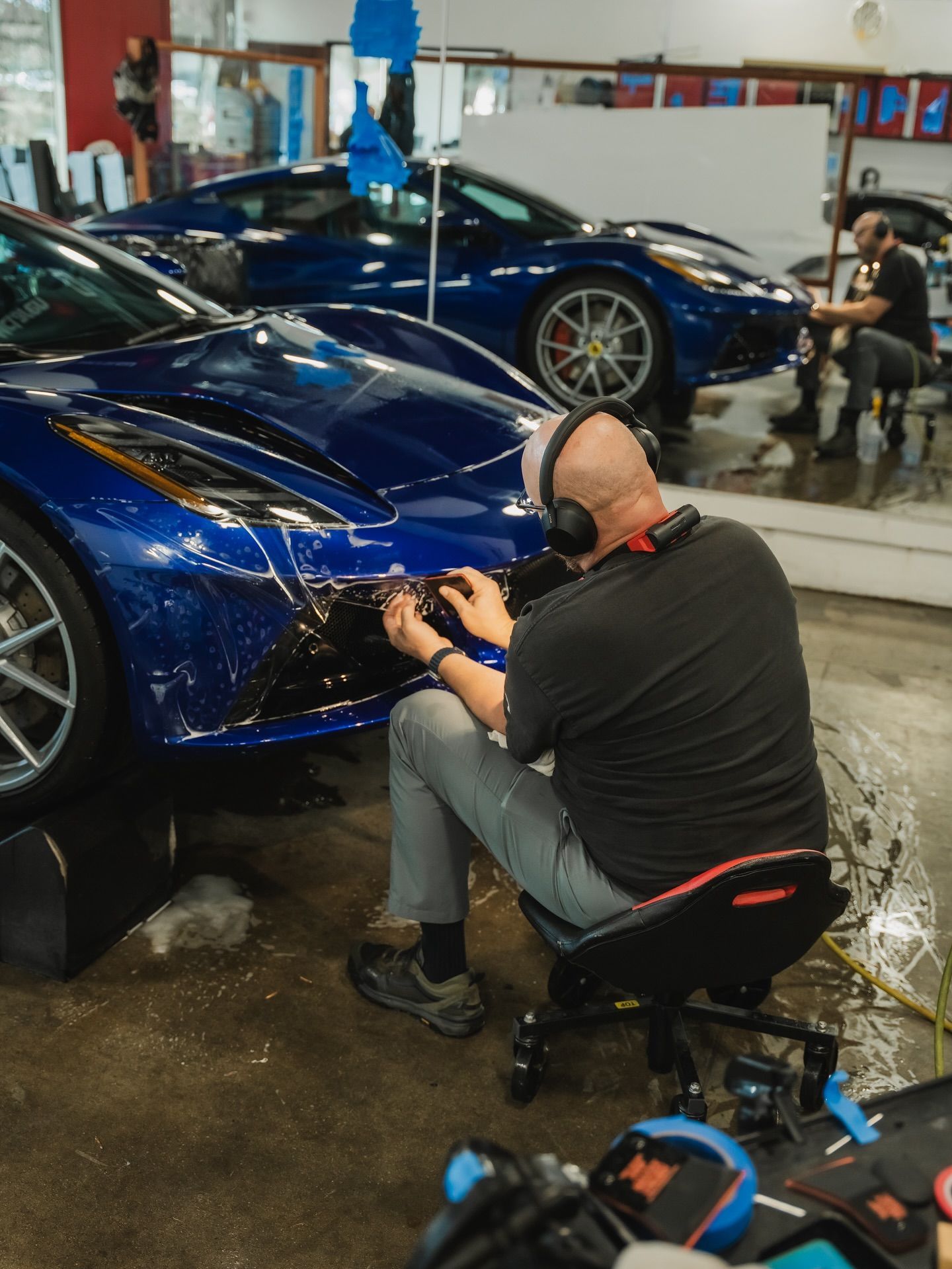
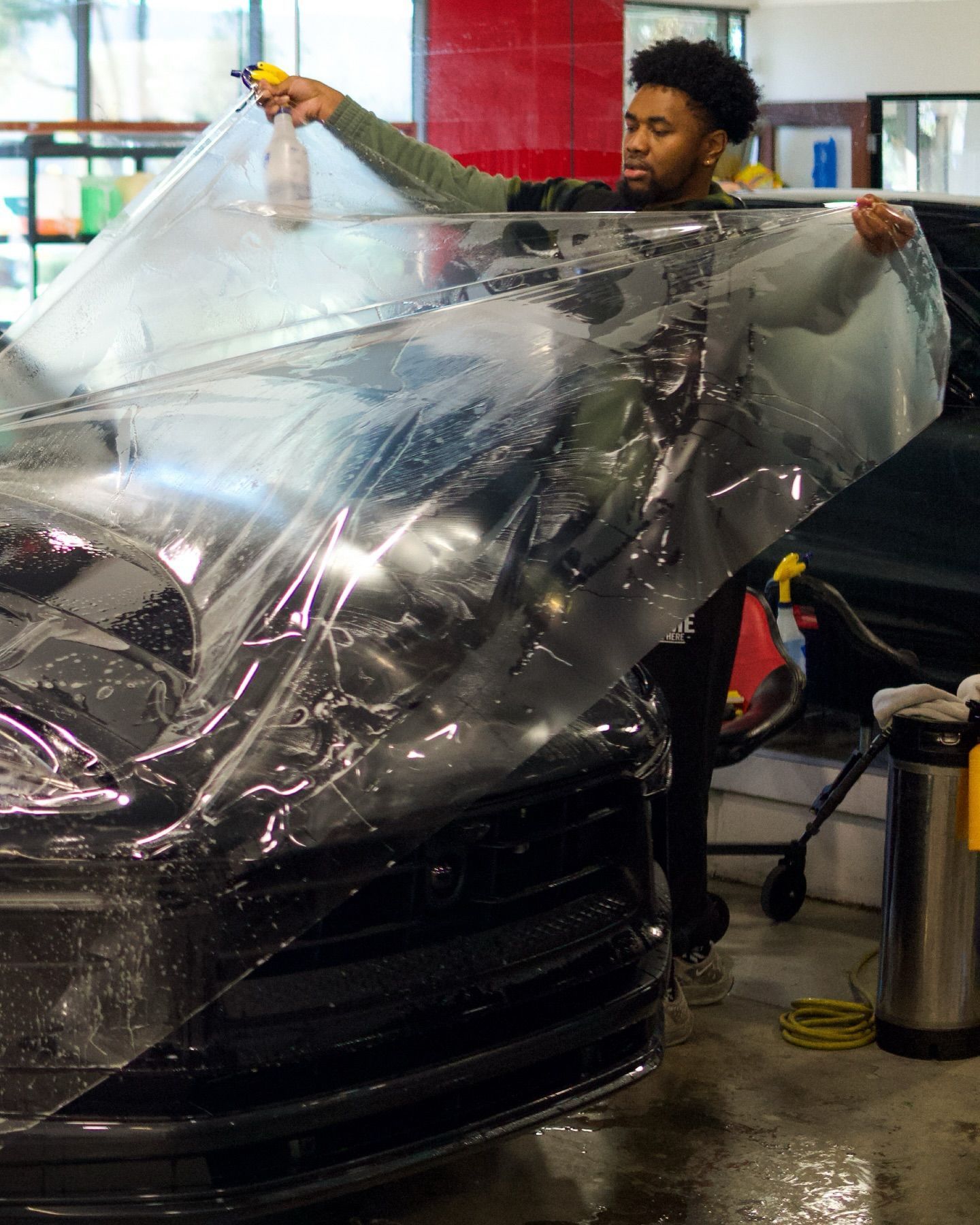
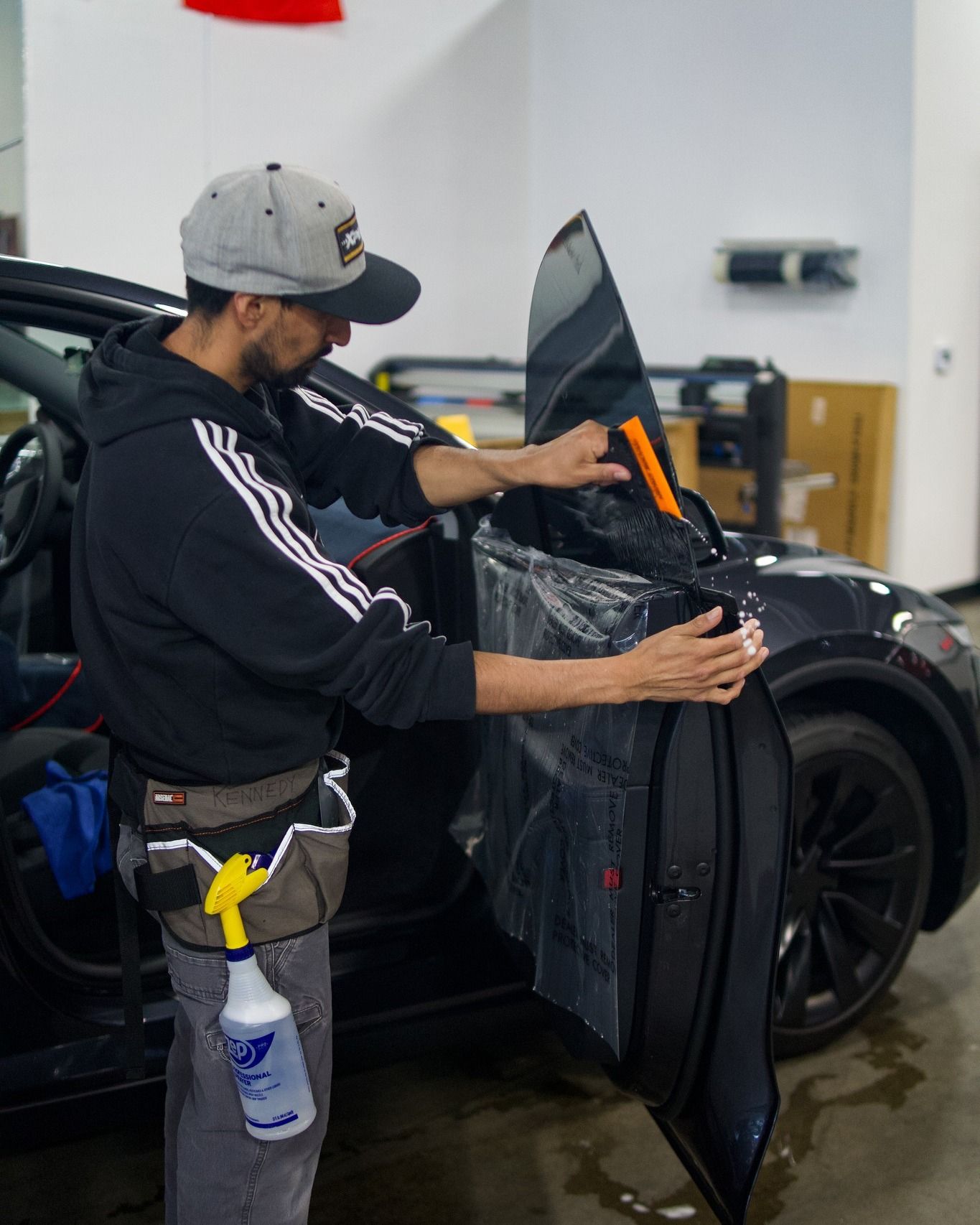
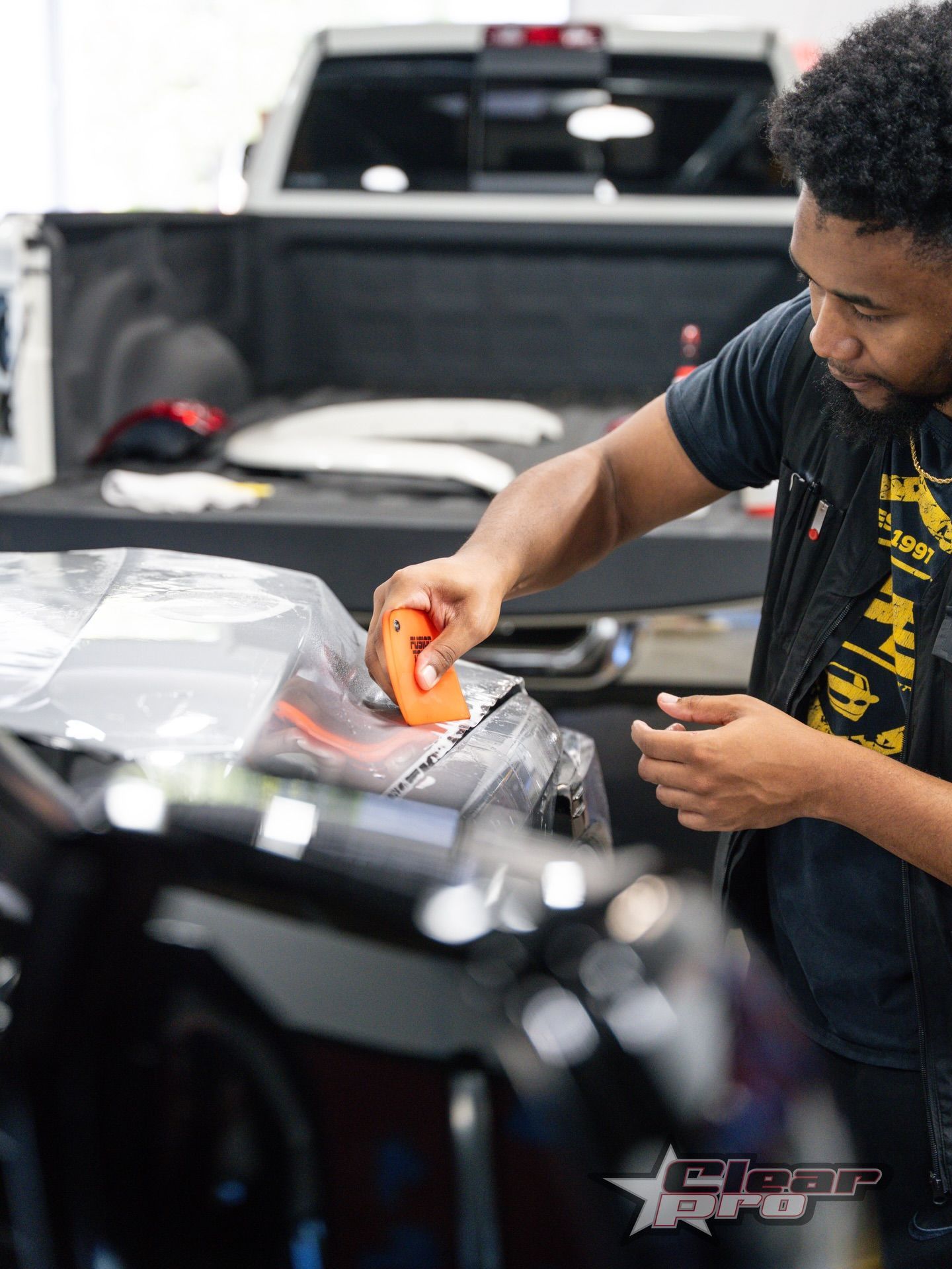
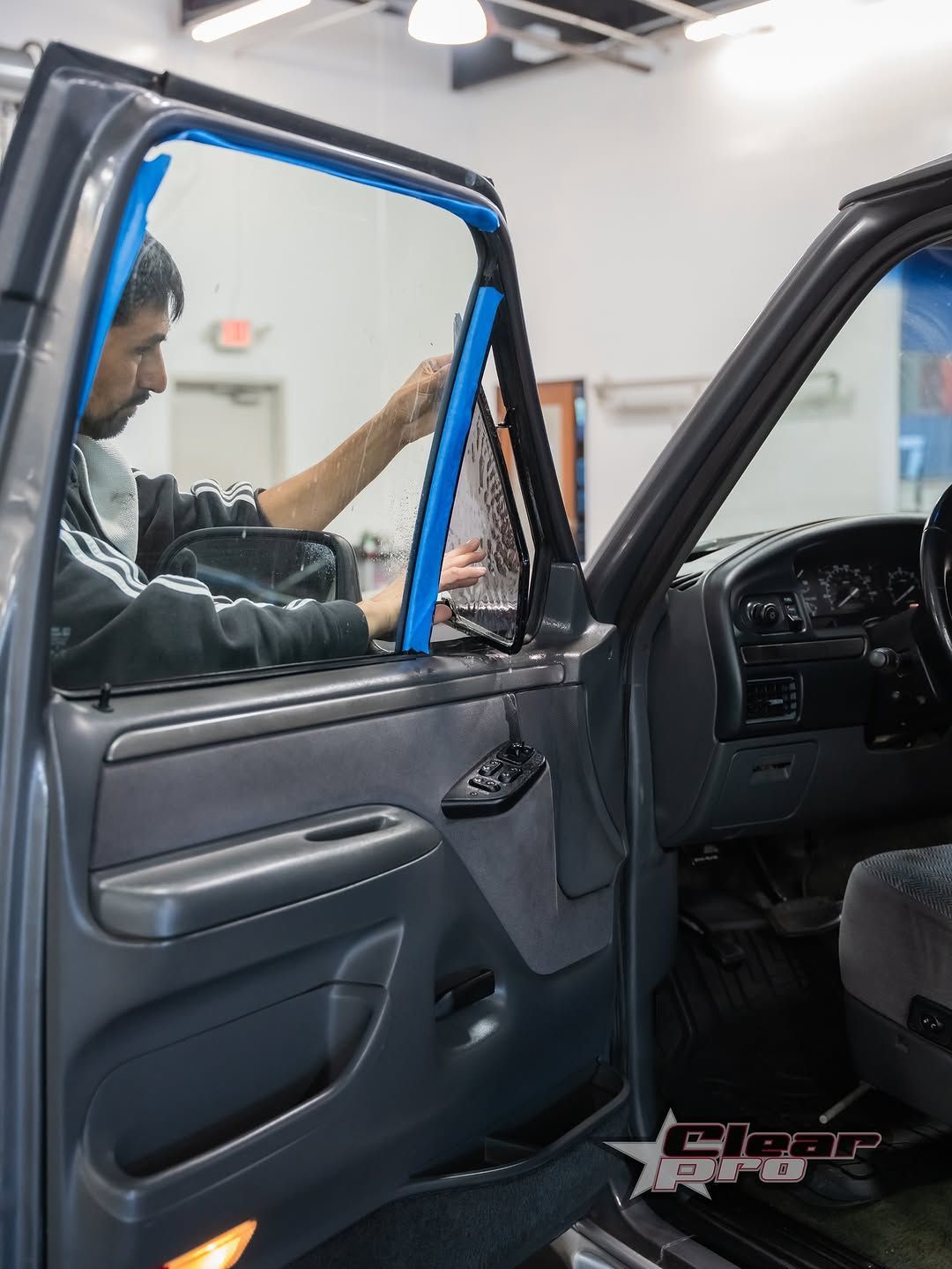
Clear Pro installs premium XPEL paint protection film and offers flexible coverage packages for vehicle owners throughout Murrieta, Temecula, Menifee, Fallbrook, Camp Pendleton, Canyon Lake, and nearby areas. Available options include bumper coverage, full-front protection, full-front coverage with rocker panels, and full-vehicle installations. Clear Pro’s PPF is backed by a 10-year manufacturer warranty, subject to the manufacturer’s applicable terms and conditions.
A warranty period should not be treated as an exact replacement schedule. The best way to determine whether your film is still performing as intended is to inspect it regularly and consult a professional when changes appear.
The Film Is Peeling or Lifting Around the Edges
Peeling edges are among the most noticeable signs that paint protection film needs attention. PPF depends on a secure adhesive bond to stay attached to the vehicle. When an edge begins lifting or curling, dirt, moisture, road grime, and other contaminants may collect underneath the film. The lifting can continue to spread if it is left unaddressed.
Lifting commonly begins around:
- Hood edges
- Front bumpers
- Side mirrors
- Door handles
- Fender edges
- Rocker panels
- Panel seams
Do not pull, cut, or press down lifted film yourself. Attempting a home repair can stretch the material, trap additional contamination, or make professional removal more difficult. A small lifted area does not always require replacing every section of PPF. An experienced installer can determine whether the affected panel can be replaced individually.
Persistent Bubbles Have Appeared Under the Film
Some moisture or light haziness may be visible during the curing period immediately following installation. Your installer should explain what is normal, how long curing may take, and when you should return for an inspection. Bubbles that remain after curing or develop months or years later may indicate:
- Moisture beneath the film
- Trapped contamination
- Adhesive deterioration
- Separation from the painted surface
- Installation-related problems
Persistent bubbles can interrupt the smooth appearance of the vehicle and prevent the film from remaining fully bonded. They can also create areas where contaminants collect. Avoid puncturing bubbles with a pin or trying to force the air outward. This can create permanent damage and leave an opening in the protective layer. Have the area inspected to determine whether it can be corrected or whether the panel needs replacement.
The PPF Is Yellow, Cloudy, or Discolored
Quality paint protection film is intended to remain optically clear, so the original paint finish remains visible. When the film develops noticeable yellowing, cloudiness, haziness, or uneven coloration, it may be approaching the end of its usable life. Discoloration can result from the following:
- Long-term ultraviolet exposure
- Natural material aging
- Improper cleaning chemicals
- Embedded road contamination
- Bird droppings
- Tree sap
- Mineral deposits
- Infrequent washing
Modern premium films are engineered to resist yellowing, but no exterior material is completely unaffected by years of environmental exposure. Inspect your PPF in bright natural light and compare different panels. Uneven color may be more noticeable when viewed from an angle or when comparing protected areas with nearby unprotected surfaces.
If approved cleaning methods no longer restore clarity, replacing the affected film may be the most effective way to restore a clean and consistent appearance.
There Are Deep Cuts, Tears, or Punctures
Paint protection film absorbs the impact of many everyday hazards before they reach the paint. However, severe road debris, sharp objects, parking incidents, and repeated impacts can cut or tear through the material.
Minor surface marks may become less noticeable on films that contain self-healing topcoats. Warmth can help the surface recover from certain light marks, but self-healing technology cannot repair every type of damage. Professional evaluation is recommended when you notice:
- Deep cuts
- Open tears
- Punctures
- Gouges
- Separated seams
- Exposed paint
- Damage extending through the film
Once the film has been penetrated, the affected section may no longer provide complete coverage. Fortunately, PPF is commonly installed panel by panel, so isolated damage may only require replacing one section rather than the entire installation.
Surface Damage No Longer Improves
As paint protection film ages, its outer topcoat may become less responsive. Marks that once faded with warmth or approved maintenance may remain visible. Persistent surface deterioration can include:
- Rough texture
- Heavy scuffing
- Dull patches
- Repeated impact marks
- Loss of surface smoothness
- Widespread cosmetic wear
PPF is not designed to prevent every type of physical damage. Its purpose is to absorb everyday wear that might otherwise affect the vehicle’s paint. Do not use aggressive polishing compounds, abrasive pads, or harsh chemicals in an attempt to restore worn film. Products intended for bare automotive paint may damage PPF or alter its finish. Ask a professional installer which products and maintenance methods are appropriate.
Permanent Stains or Etching Are Visible
Paint protection film helps shield the vehicle against environmental contamination, but substances left on the surface for extended periods can eventually stain or etch the film. Common sources include:
- Bird droppings
- Insect residue
- Tree sap
- Hard-water minerals
- Road tar
- Oil
- Pollution
- Chemical overspray
Some contamination can be removed through careful washing or professional detailing. However, stains that remain after approved cleaning may have penetrated or damaged the film’s topcoat. Permanent staining does not always mean the paint underneath has been harmed. In many cases, the film has performed as intended by absorbing the damage. Replacing the affected section can restore the vehicle’s appearance while allowing the underlying paint to remain protected.
The Film is Brittle, Cracked, or Flaking
Healthy PPF should remain securely attached and flexible. Film that has become dry, brittle, cracked, or flaky may be experiencing advanced deterioration.
These changes may appear first around:
- Tight curves
- Panel edges
- Bumper openings
- Seams
- High-impact areas
- Sections exposed to continuous sunlight
Brittle film should be professionally removed as soon as practical. Severely aged material may be more difficult to remove cleanly and could leave adhesive residue behind. Professional removal is especially important when the vehicle has repainted panels, previous collision repairs, custom paintwork, or an unknown paint history. A trained installer can evaluate the surface and use controlled techniques to reduce unnecessary risk.
Matte or Satin Film Has Developed Shiny Areas
Matte and satin PPF are designed to create a consistent low-gloss finish. When sections begin appearing unusually glossy or uneven, the surface texture may have worn down. Shiny areas can develop because of:
- Repeated friction
- Aggressive wiping
- Improper polishing
- Abrasive washing
- Long-term surface wear
- Contact with unsuitable chemicals
Appearance consistency is particularly important on matte or satin vehicles. Even a small glossy area can stand out against surrounding panels. An installer can compare the affected film with adjacent areas and recommend whether individual panel replacement will provide a consistent result.
Can One Damaged PPF Panel Be Replaced?
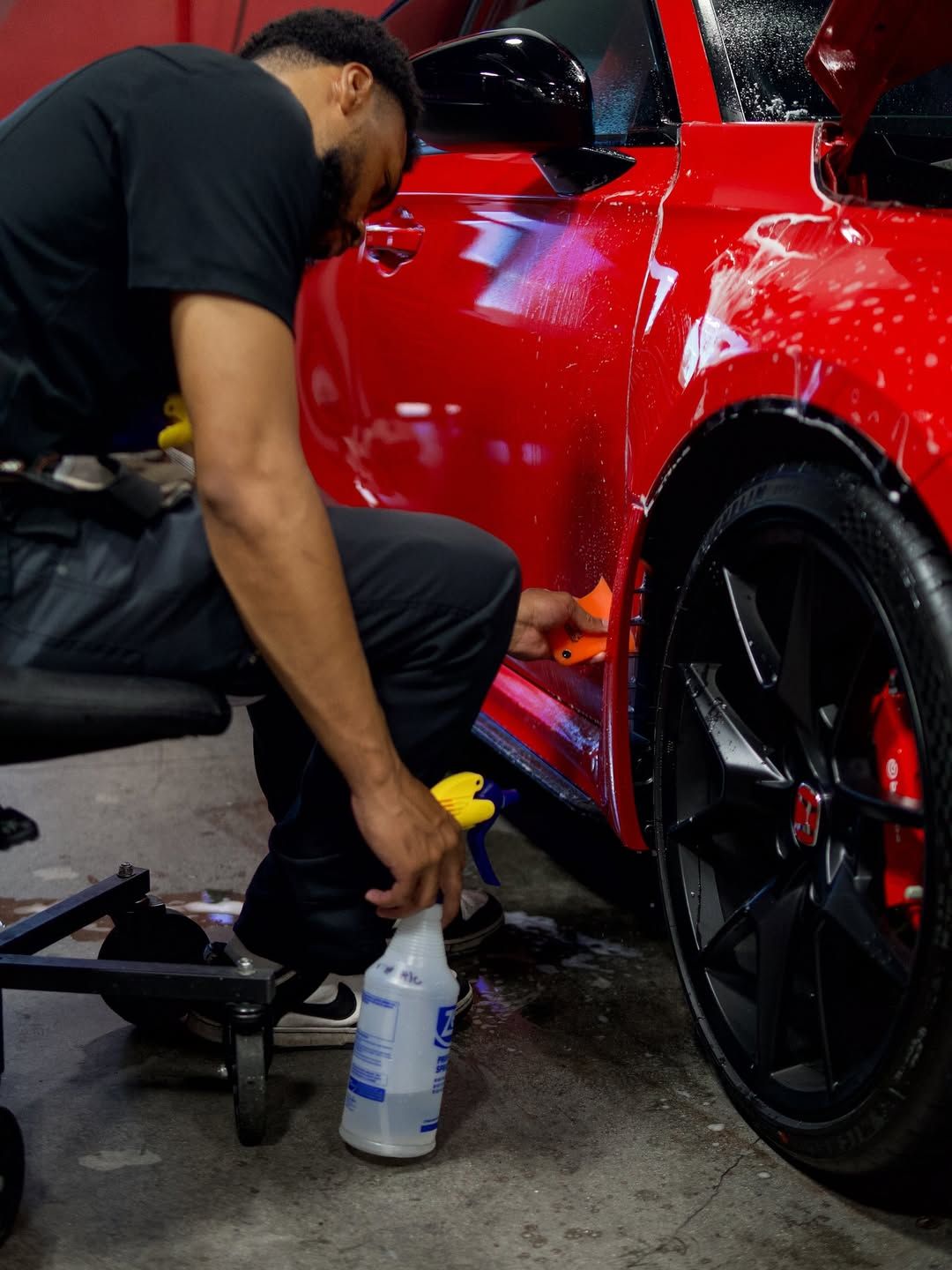
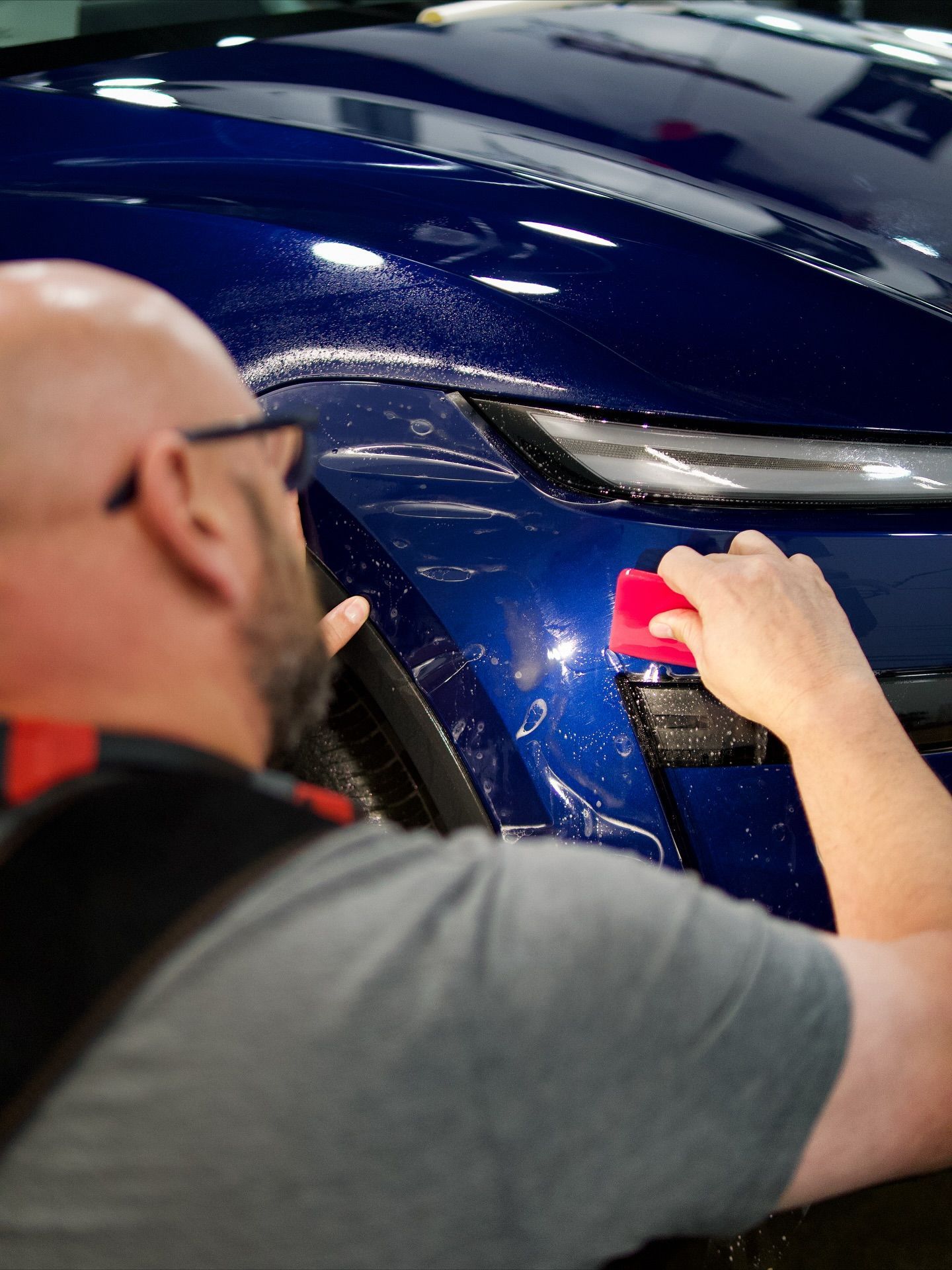
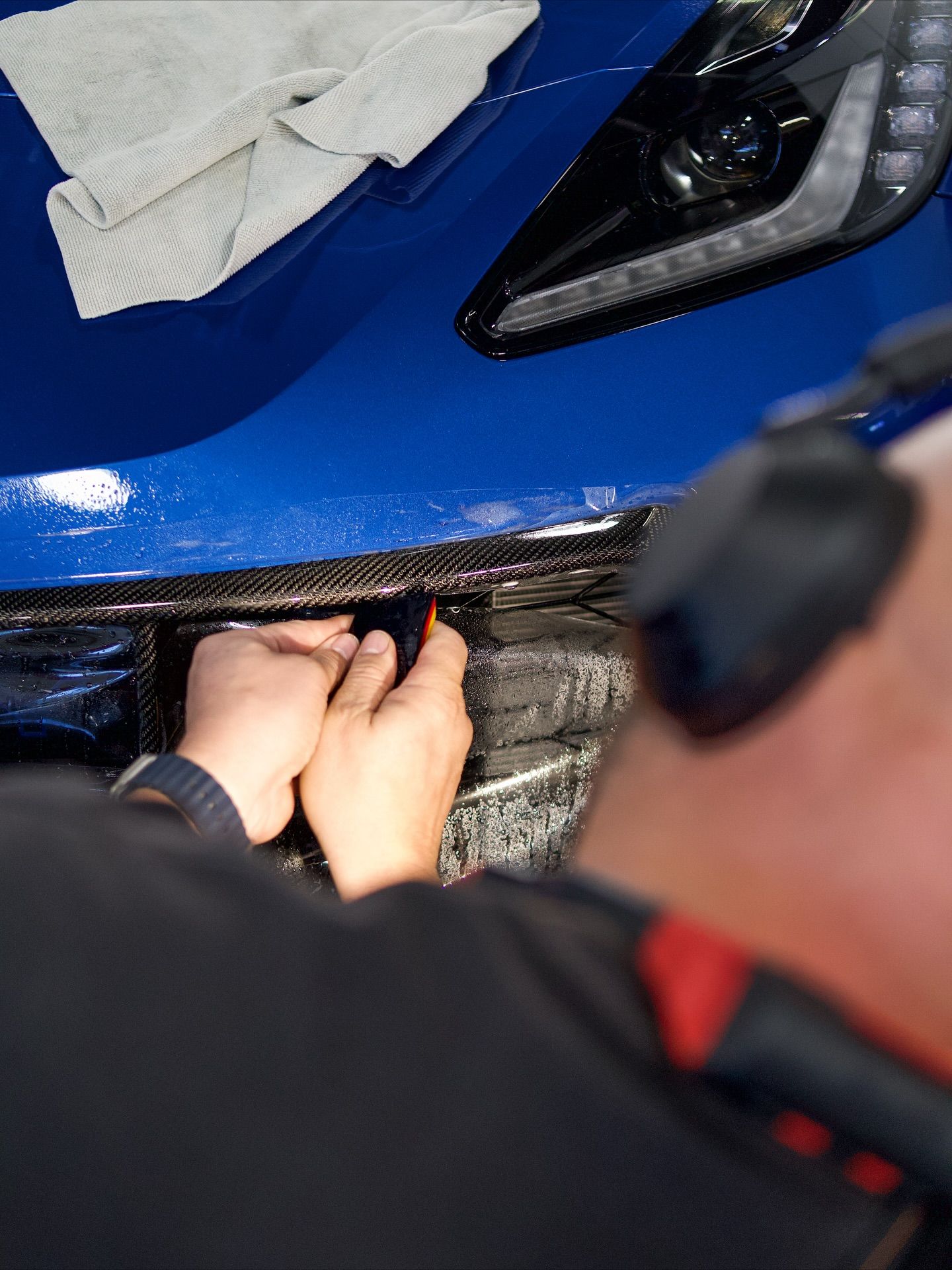
In many cases, an individual section of paint protection film can be replaced without reinstalling PPF across the entire vehicle. For example, damage limited to the bumper, hood, mirror, fender, or rocker panel may only require removing and reinstalling film on that specific area. The installer will consider:
- The age of the existing PPF
- The severity of the damage
- Discoloration on surrounding panels
- The type of film originally installed
- The condition of the underlying paint
- Whether matching material is available
Older film may have changed slightly in clarity or finish, causing newly installed PPF to appear different from neighboring panels. A professional can explain whether partial replacement or broader coverage will provide the best appearance.
Should You Remove Old Paint Protection Film Yourself?
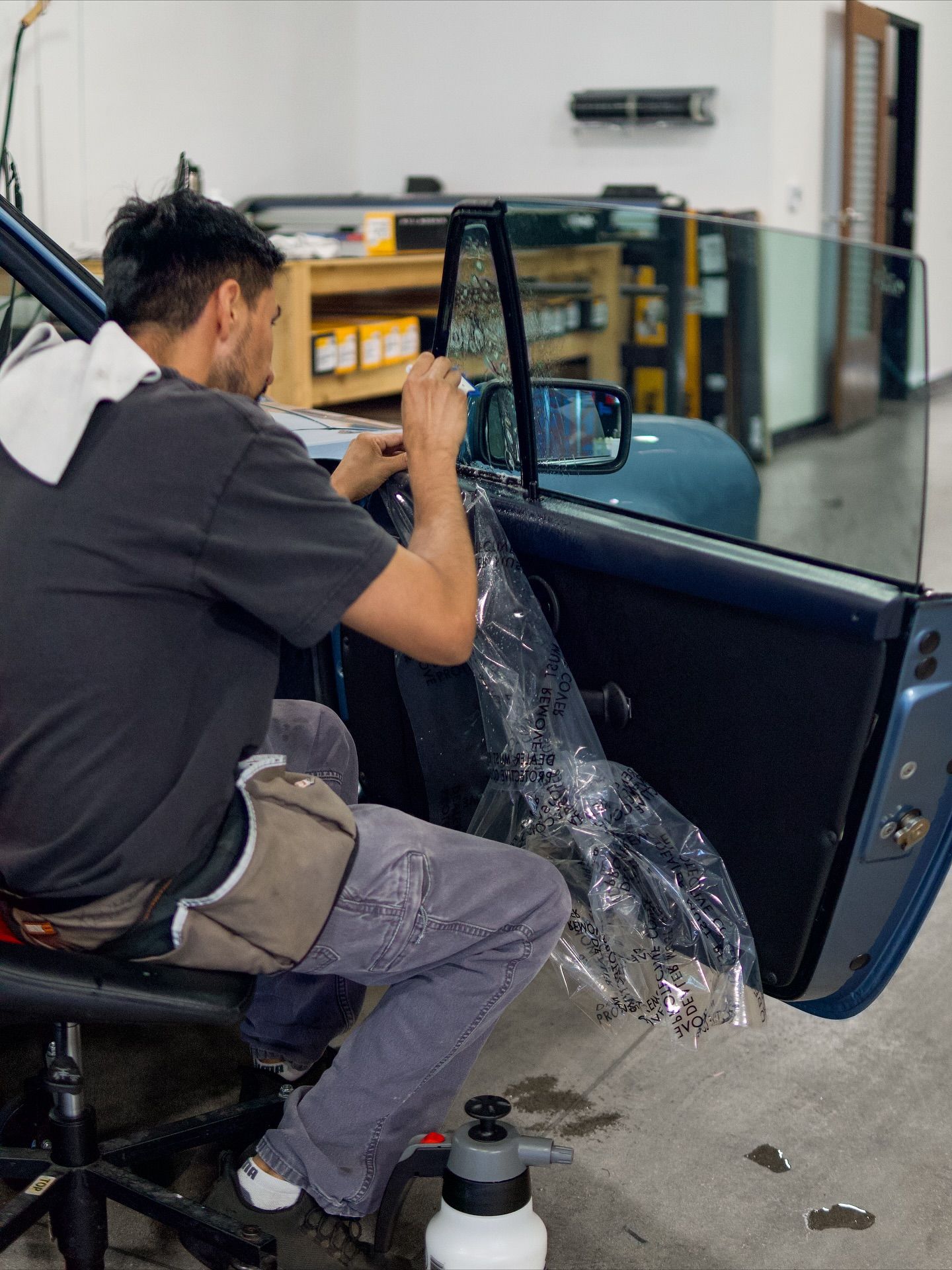
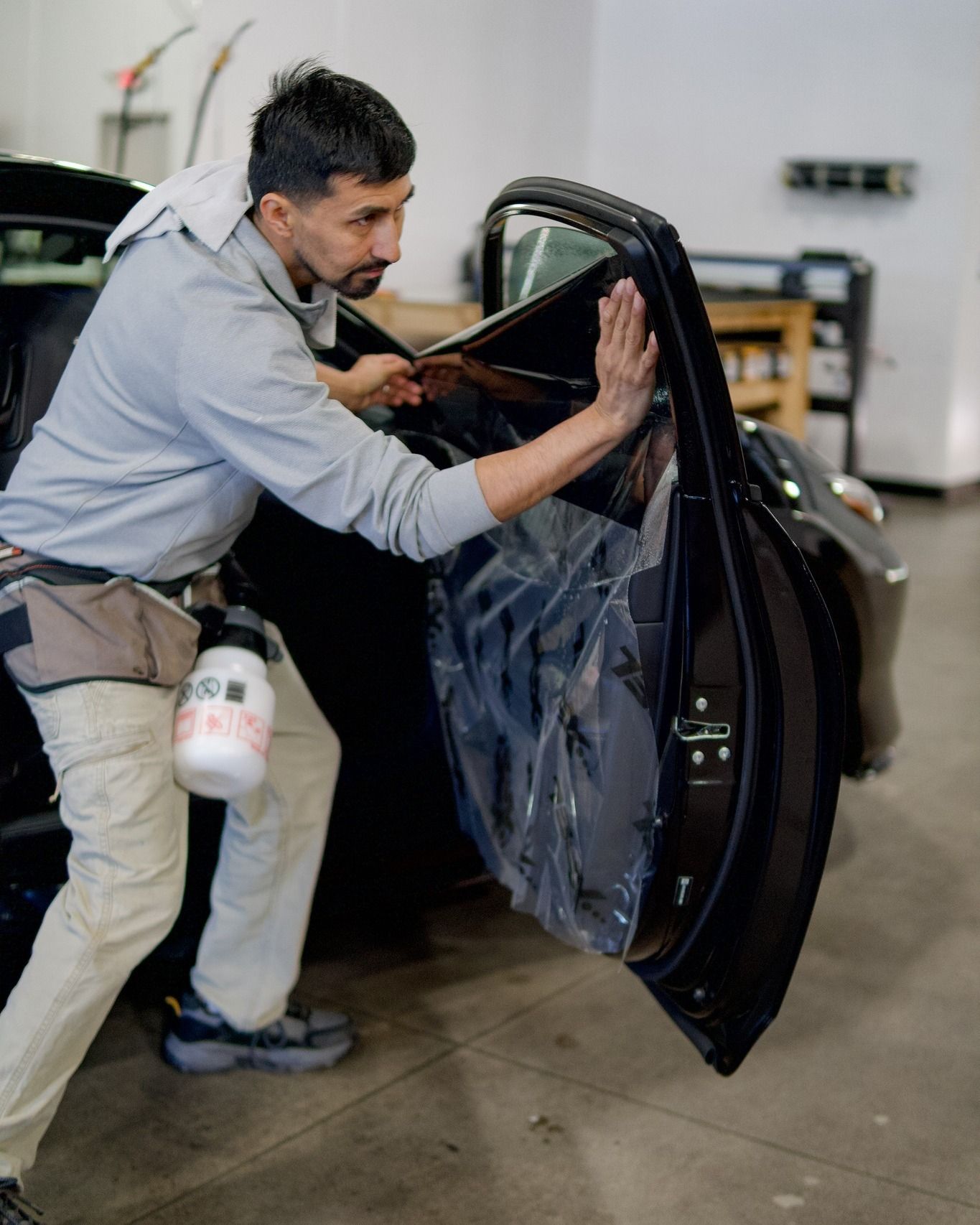
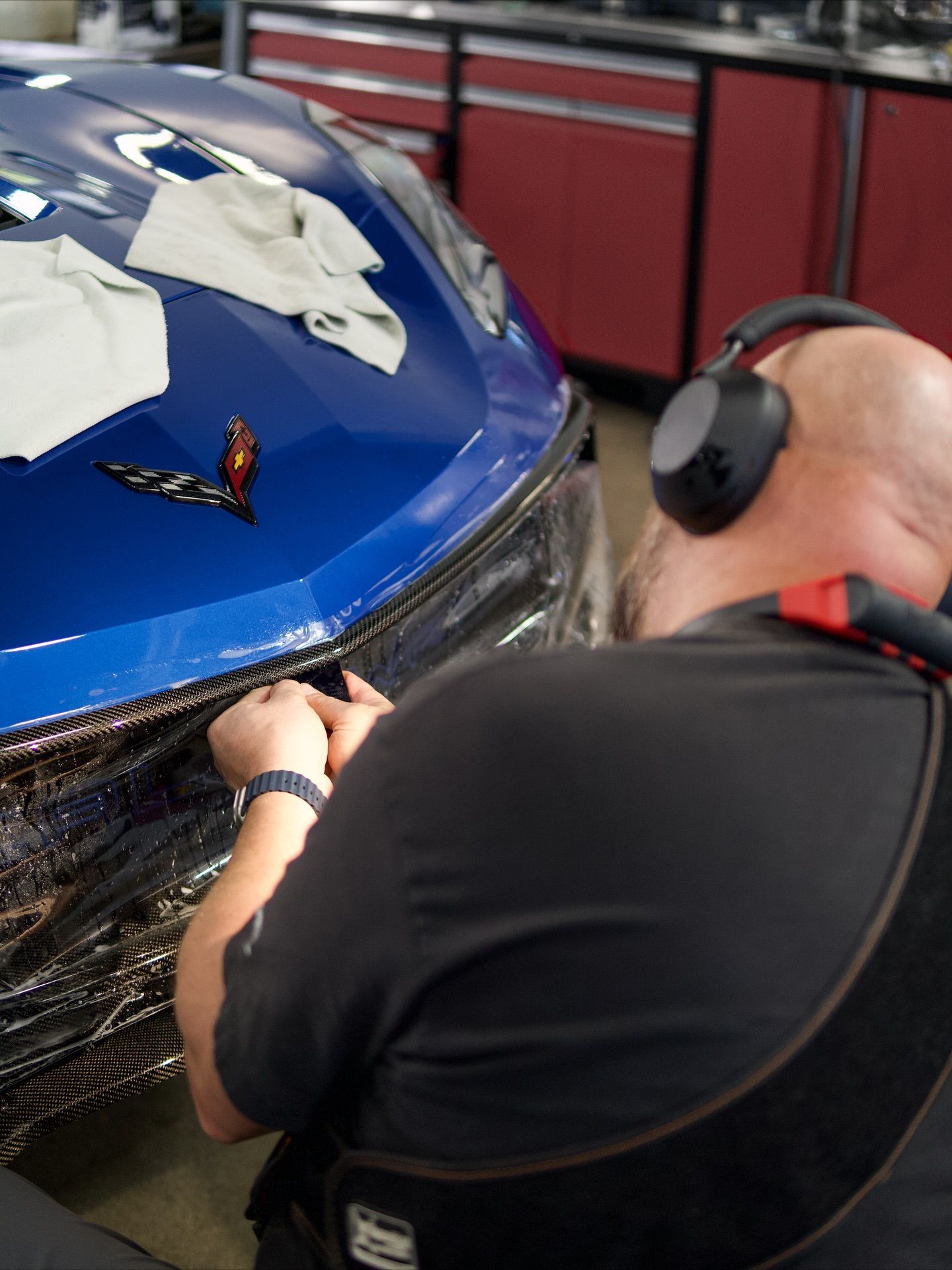
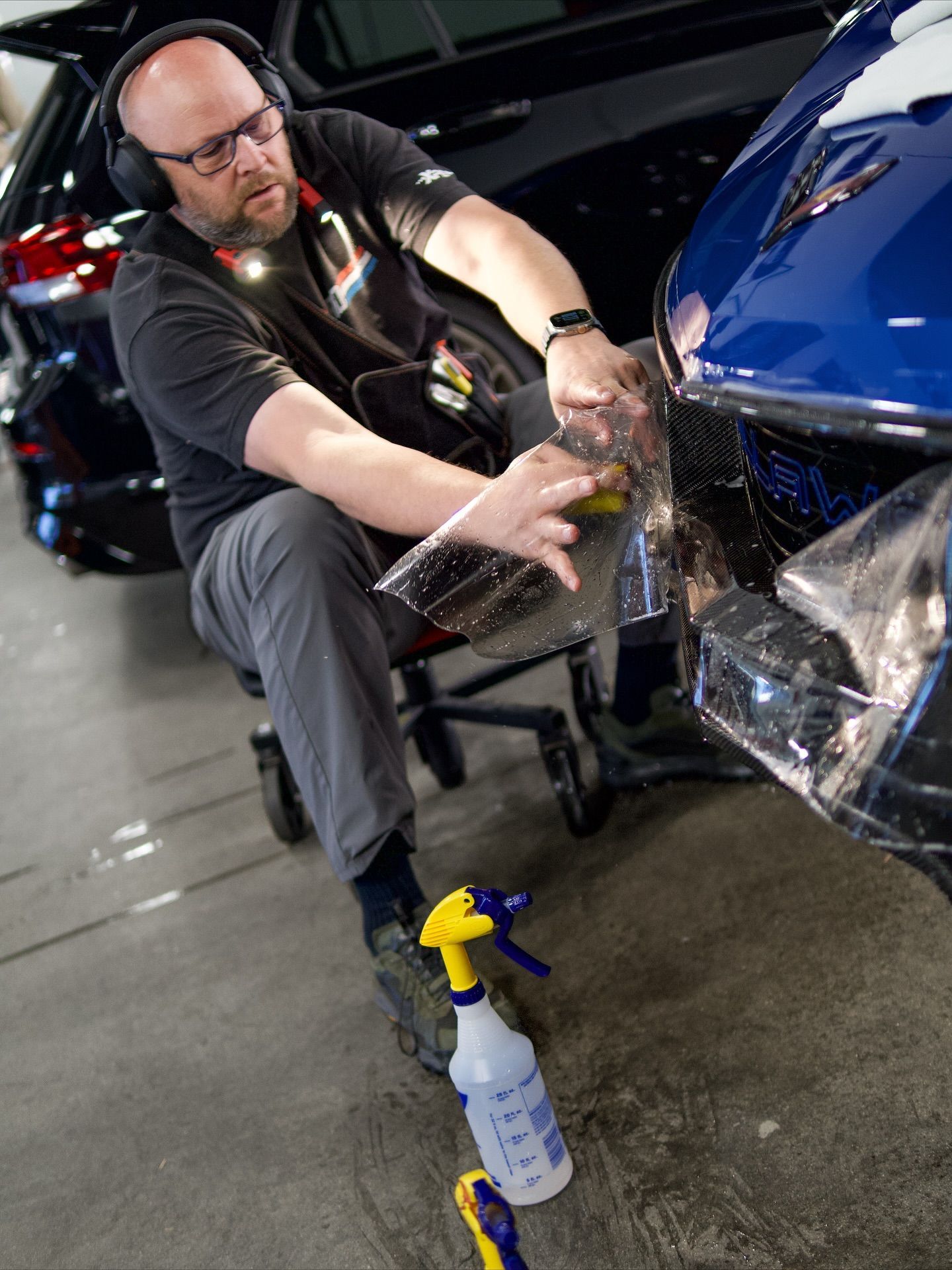
Removing PPF may appear straightforward, but improper technique can leave adhesive behind or create unnecessary risks for the painted surface. Professional removal involves controlled heat, careful pulling angles, surface inspection, and the safe removal of any remaining adhesive residue.
The process may need to be adjusted depending on the film’s age, paint condition, and whether the panel has been repainted. A professional installer can also inspect the surface after removal and identify paint chips, previous repairs, or other defects before new film is installed.
How to Help Your Paint Protection Film Last Longer
Routine care can help maintain your PPF’s clarity and appearance. Wash your vehicle regularly using gentle products that are suitable for paint protection film. Remove bird droppings, tree sap, insects, and other contaminants as soon as practical. Additional maintenance tips include:
- Use clean microfiber towels
- Avoid abrasive brushes
- Follow the installer’s curing instructions
- Keep pressure washer nozzles away from the edges of the film
- Avoid picking at lifted sections
- Use products approved for PPF
- Schedule inspections when changes appear
- Ask your installer before polishing the film
A ceramic coating formulated for use over PPF may make the surface easier to clean and help maintain gloss, but it cannot repair film that is already cracked, peeling, deeply stained, or physically damaged.
Schedule Professional PPF Replacement in Murrieta or Temecula
Peeling edges, bubbles, discoloration, deep cuts, cracking, permanent stains, and adhesive failure are all signs that your paint protection film may need professional attention. Addressing these warning signs early can help maintain consistent coverage and preserve the appearance of your vehicle.
Clear Pro provides professional paint protection film installation and replacement for vehicle owners in Murrieta, Temecula, and surrounding Southern California communities. We are trained and certified XPEL installers who provide professional service, careful workmanship, clear communication, and personalized vehicle protection recommendations.
Whether you need one damaged panel replaced or want to update an older full-vehicle installation, the Clear Pro team can inspect your existing film and explain the most appropriate options. Contact us to
request a quote
to protect your vehicle with professionally installed paint protection film.