
Common Window Tint Myths Every Vehicle Owner Should Know
Window tint can make a vehicle more comfortable in the sun, but it is easy to make the wrong choice when advice about film, darkness, and California law gets mixed together. Some drivers assume every tint will make nighttime driving difficult. Others believe a darker window must block more heat or that all aftermarket film is illegal.
For drivers in Murrieta and Temecula, the useful questions are more specific: What do you want the film to do? Which windows will be treated? How much light will pass through the finished glass? And what does California allow? Understanding the answers can help you choose window tint that fits your vehicle and the way you drive.
Myth 1: Window Tint Always Makes It Harder to See
Fact: Visibility depends on the film’s shade, the existing glass, and driving conditions
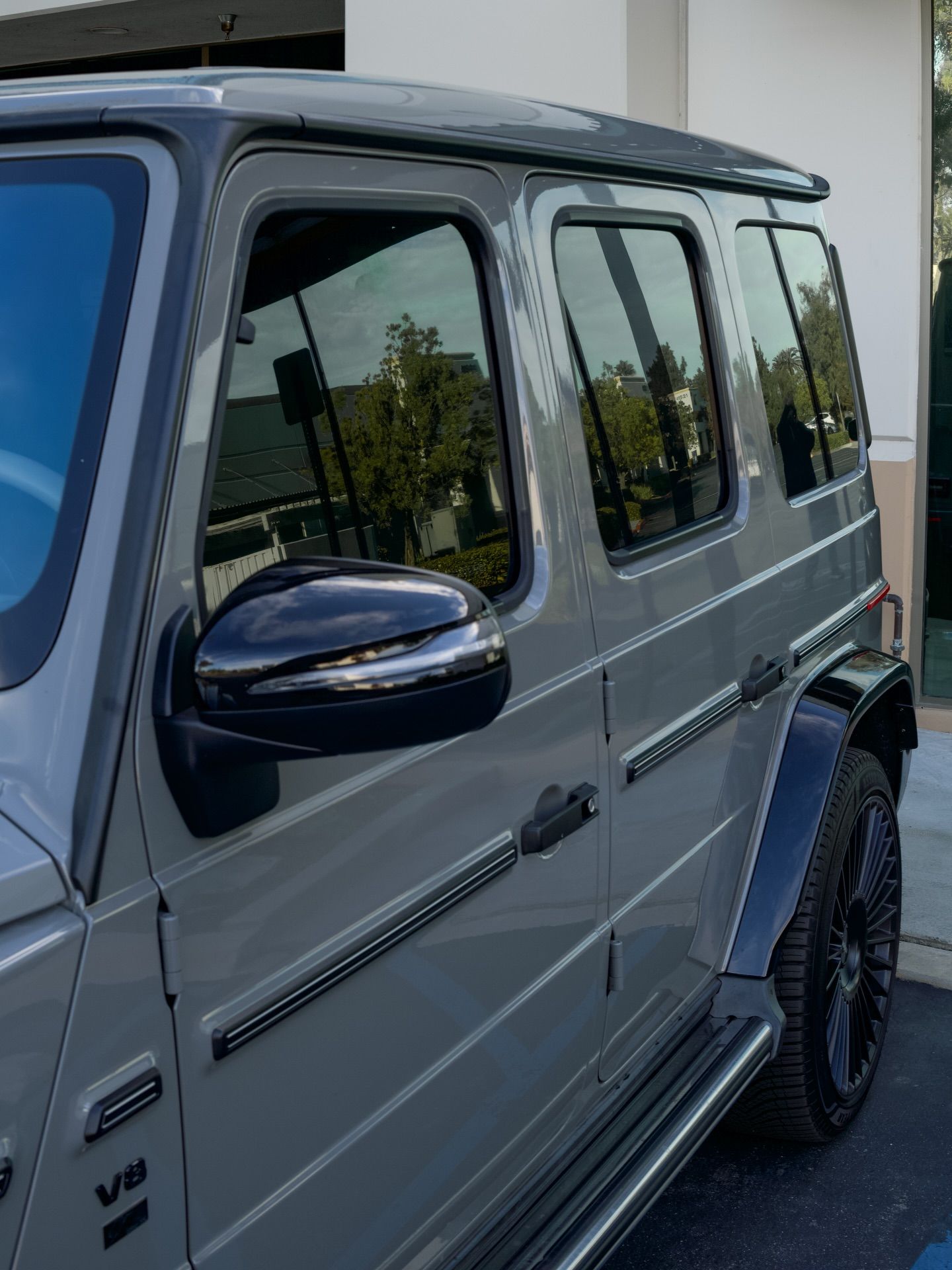
Window film changes how much visible light passes through glass. This is measured by visible light transmission, or VLT. A higher VLT means more light passes through the film, while a lower VLT means the film is darker.
Tint can reduce bright sunlight and daytime glare, which some drivers find more comfortable during a sunny commute. However, a film that feels comfortable in daylight may be too dark for someone who regularly drives on poorly lit roads. Rain and nighttime conditions also matter.
Tint does not automatically improve nighttime visibility or eliminate glare from oncoming headlights. If you often drive after dark, tell your installer before choosing a product or shade. The goal is to address daytime discomfort while maintaining a clear view through the windows.
Myth 2: All Window Tint Is Illegal in California
Fact: California permits certain window film installations, but the requirements differ by window position
At Clear Pro in Murrieta, we help drivers choose XPEL film based on their vehicle, the windows they want treated, and California’s requirements. A shade suitable for a rear side window may not be suitable for a front side window.
For front side windows, California Vehicle Code Section 26708 permits qualifying clear, colorless, transparent film. The film itself must transmit at least 88% of visible light, and the finished glass with film must transmit at least 70%. The driver must also keep a qualifying installer certificate in the vehicle. Rear-window film is permitted when the vehicle meets the outside-mirror requirement. Windshield applications have separate restrictions.
A film labeled “70% VLT” is therefore not automatically suitable for a California front side window. Tell us which windows you want treated, and ask how the proposed film, your existing glass, and the finished installation meet the applicable requirements.
Myth 3: Tint Is Only for Appearance
Fact: Depending on the product, window tint can also help manage heat, daytime glare, and UV exposure
Many vehicle owners first notice tint because of how it looks. A well-chosen film can give a car a more cohesive appearance, but its practical benefits may matter more during everyday driving.
Window film can reduce the solar heat entering a vehicle, cut daytime glare, and block ultraviolet (UV) rays through treated glass. Those features may appeal to Murrieta and Temecula drivers who park outside, commute regularly, or want to limit the sun’s effect on their vehicle’s interior.
Results vary by product and vehicle. Cabin comfort also depends on outdoor temperature, time in the sun, glass area, and which windows receive film. Tint will not keep a parked car cool indefinitely. A useful product recommendation should explain the expected benefits without promising a specific cabin temperature.
Myth 4: Darker Tint Always Blocks More Heat
Fact: A film’s shade does not tell you how much heat it rejects
As explained above, VLT measures visible light, while heat rejection is a separate specification. A darker film is not automatically the better choice for a cooler cabin.
Clear Pro offers XPEL PRIME CS, a color-stable dyed film, and XPEL PRIME XR PLUS, a nano-ceramic film with stronger published heat-rejection performance. If reducing heat is your priority, compare the specifications for the specific products and shades suitable for your vehicle.
Myth 5: Window Tint Will Interfere With Your Vehicle’s Electronics
Fact: The films Clear Pro offers are designed to avoid signal interference
Some drivers worry that window tint will disrupt their phone, GPS, or radio. Film construction matters here. XPEL lists no signal interference for both PRIME CS and PRIME XR PLUS. That makes electronic compatibility a question you can check against the product specifications instead of assuming all tint affects connected devices.
When discussing your vehicle with Clear Pro, mention any connectivity concerns along with the windows you want treated. The team can explain the film options and help you choose an installation that fits your needs.
Myth 6: A Darker Film Provides Better UV Protection
Fact: Visible darkness is not a reliable measure of UV protection
Visible light and ultraviolet radiation are different parts of sunlight. A lighter-looking film may still provide substantial UV blocking, so shade alone does not tell you how much UV protection a product offers. XPEL publishes UV-protection information separately from its films’ heat and shade specifications.
If UV protection matters to you, ask for the specifications of the film that will be installed. This is especially useful if you prefer a lighter appearance. Confirm which windows can receive the proposed film under California law as well.
Tint can help limit UV transmission through treated glass, but it does not cover every source of sun exposure. Product specifications give you a clearer picture of the benefit than the finished window’s darkness does.
Myth 7: Professional Installation Only Affects Appearance
Fact: An installer also helps you select a film and understand what to expect after installation
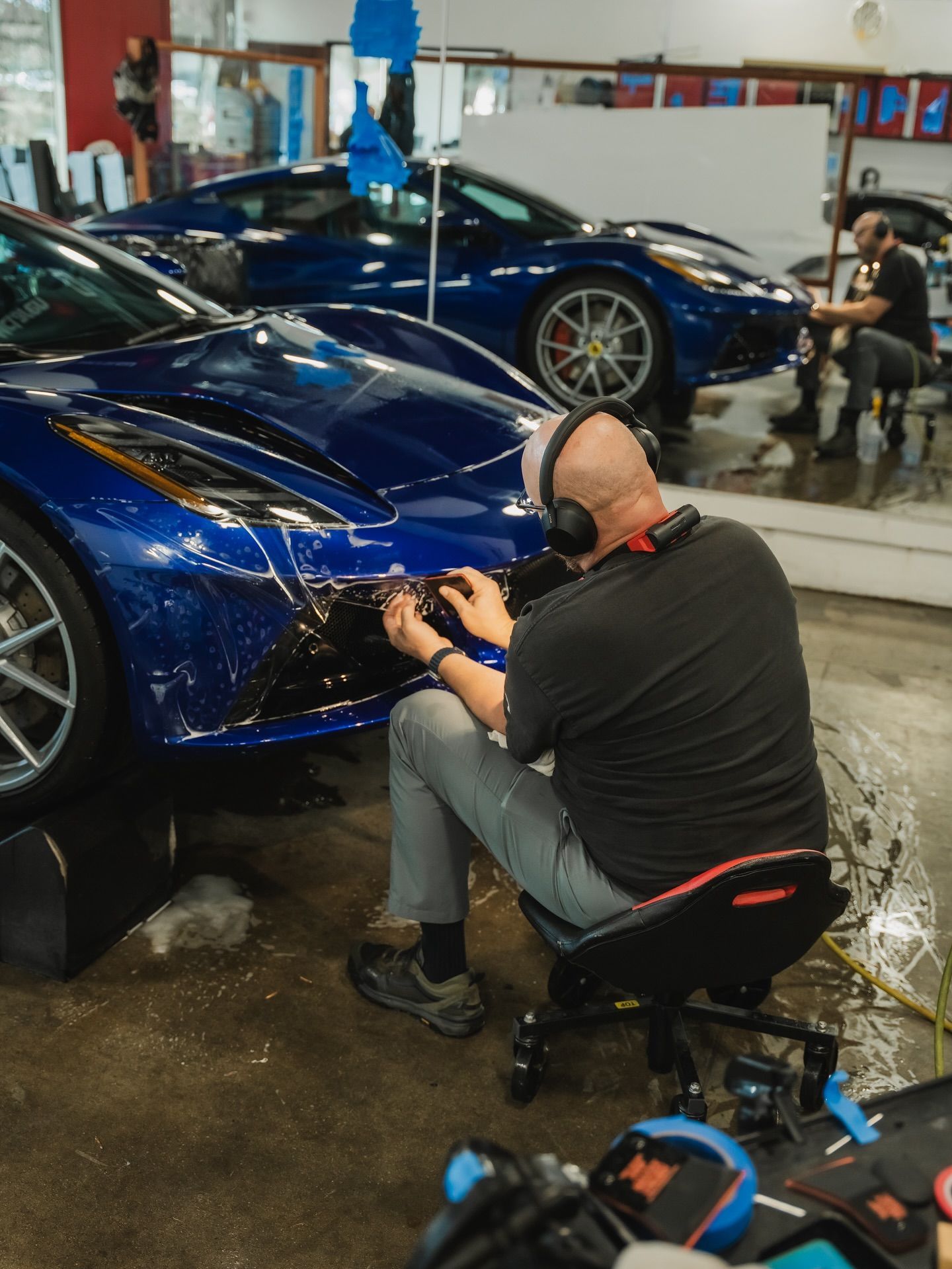
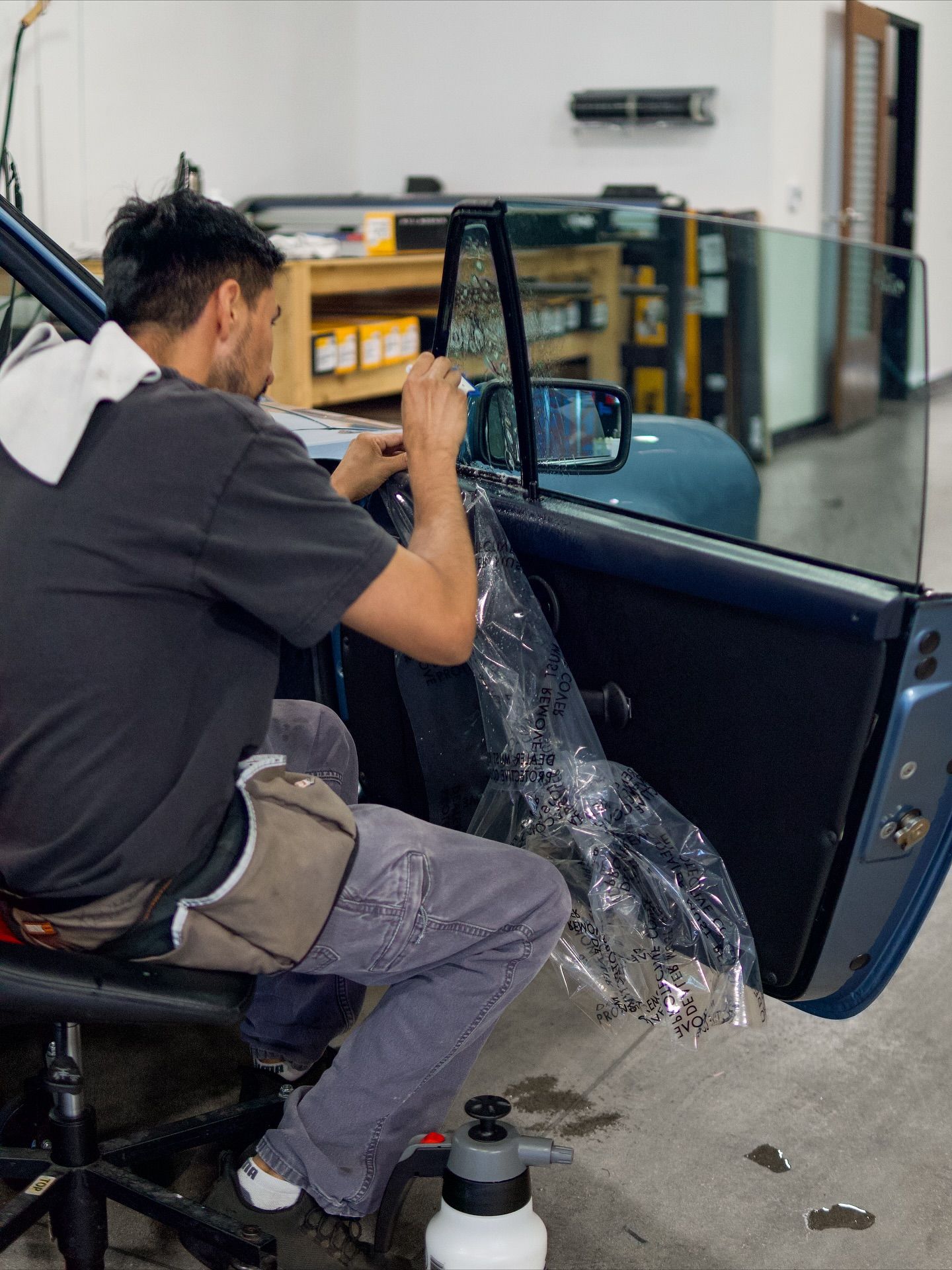
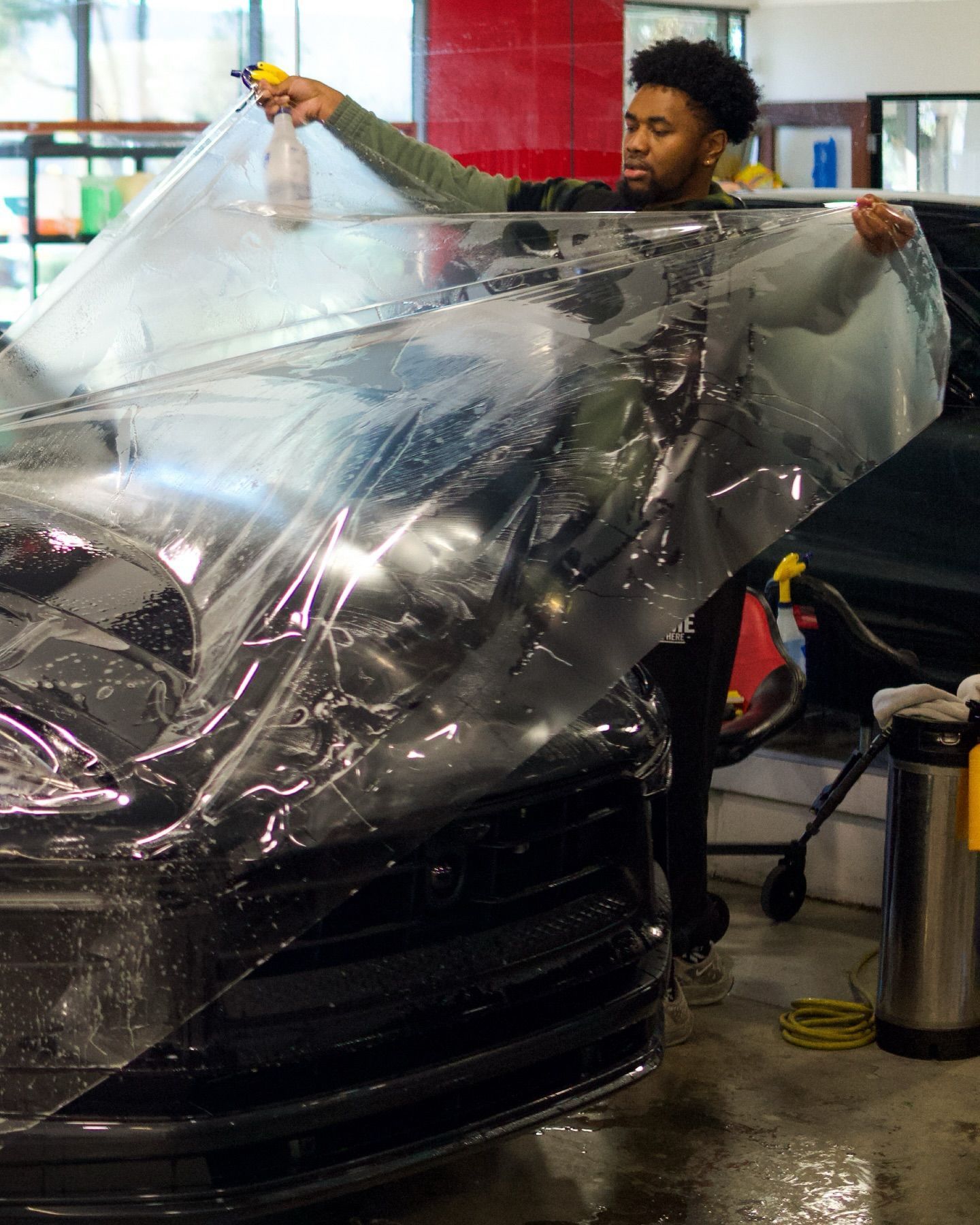
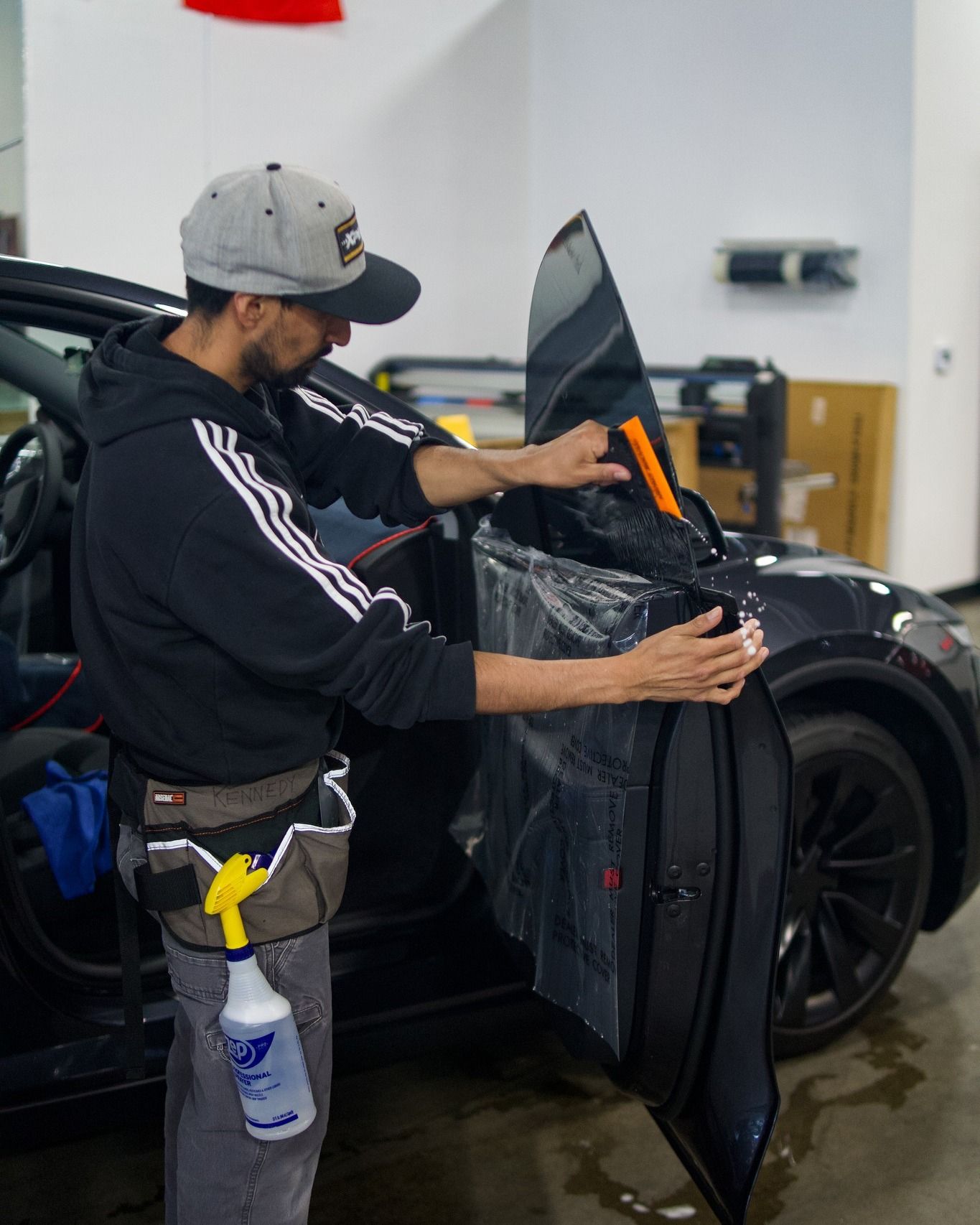
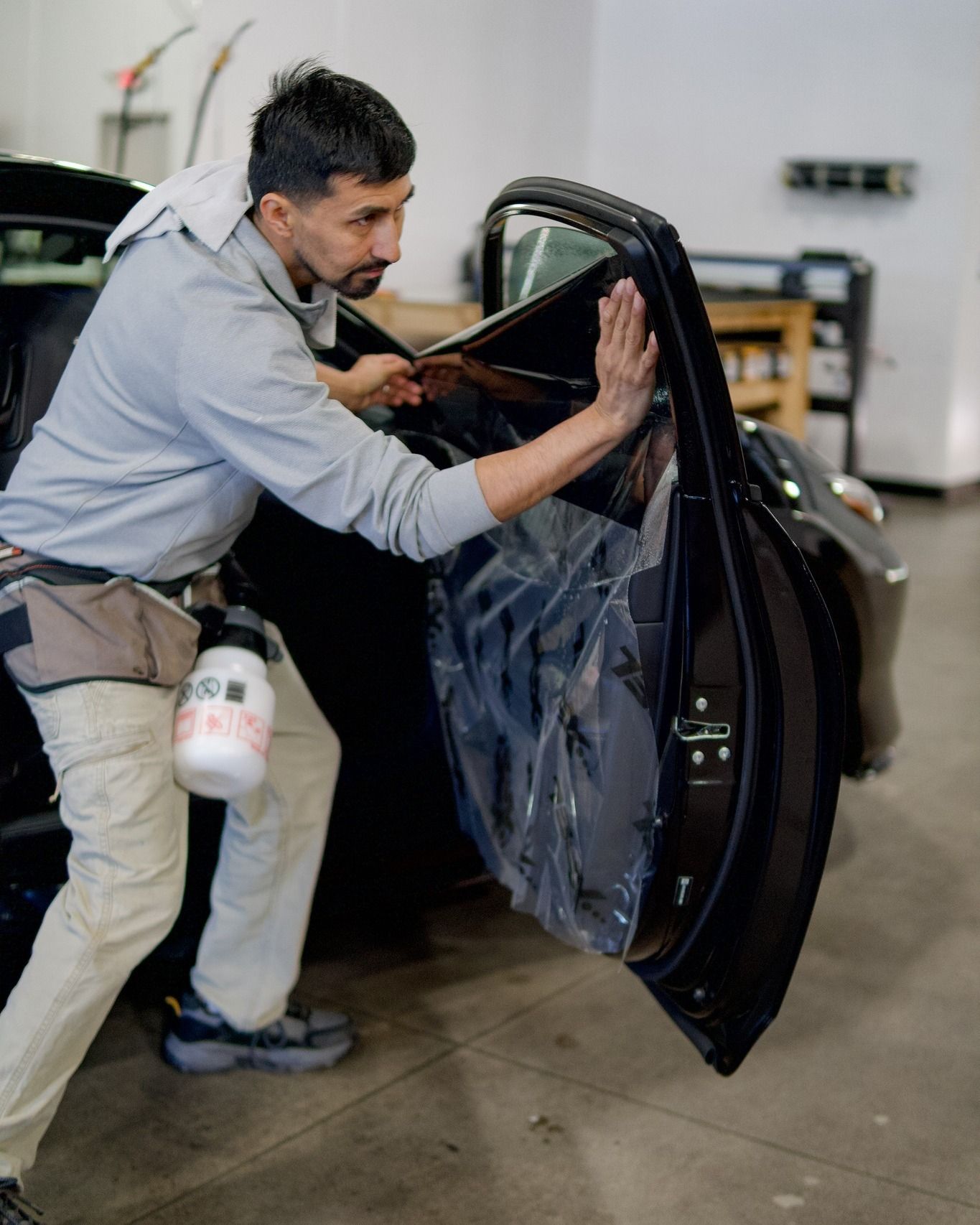
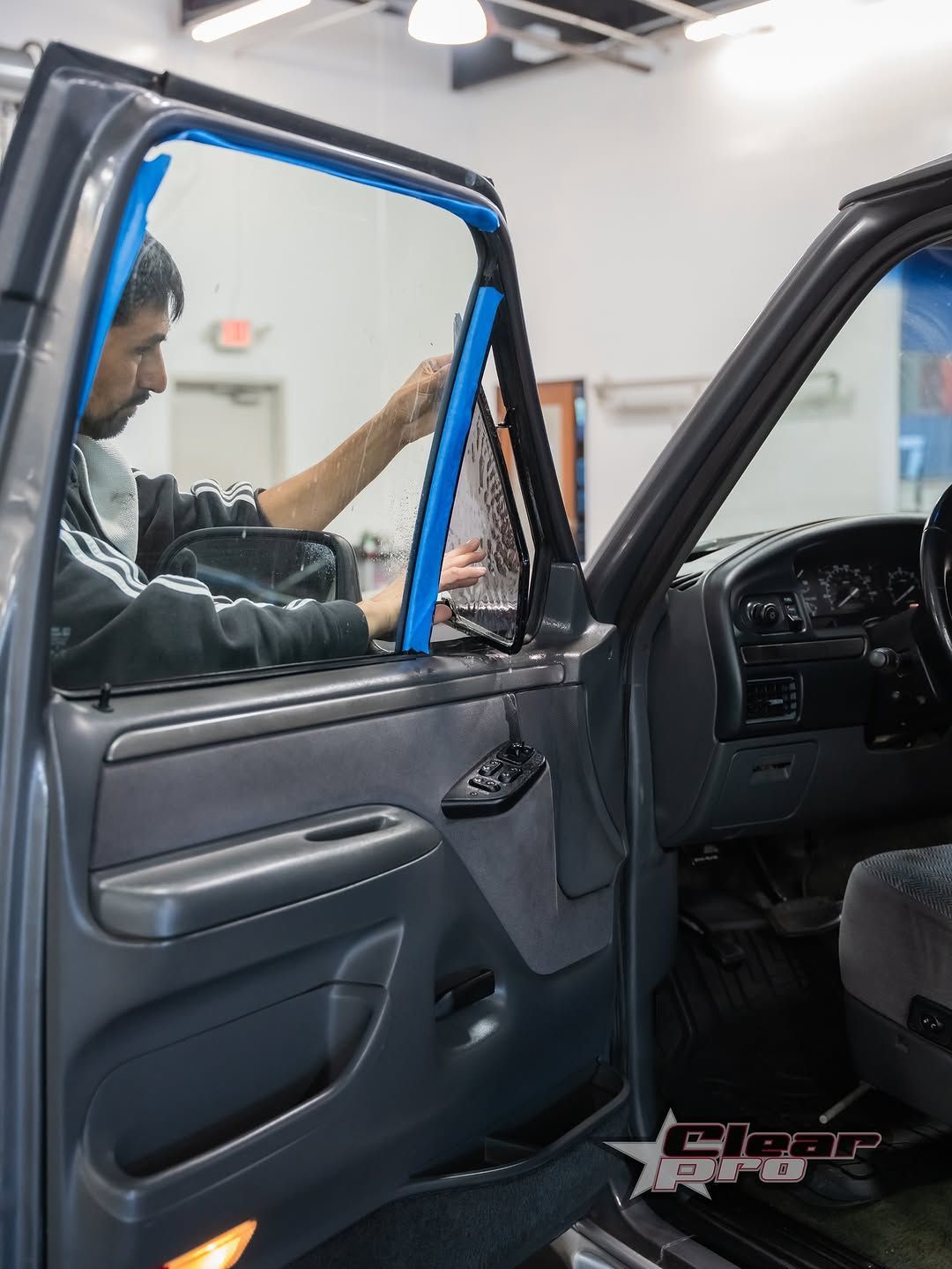
A smooth finish matters. Careful glass preparation and film application can help prevent visible contamination, creases, and poorly fitted edges. But the installer’s role begins before the film is applied.
A useful consultation connects the product choice to your vehicle and driving habits. The installer can explain the available films, discuss which windows you want treated, and set expectations for appearance, care, and curing. For California drivers, that discussion should also account for the requirements that apply to each window and the vehicle’s existing glass.
Before booking, ask for the film name and shade, the windows included, the applicable warranty information, and aftercare instructions. These details make it easier to compare options and understand what you will receive.
Choose Window Tint Based on How You Drive
Start with what matters most to you. Compare film specifications if heat reduction is your priority, discuss visibility if you often drive at night, and check the requirements for each window if appearance or privacy guides your choice.
At
Clear Pro, we help drivers in Murrieta, Temecula, and surrounding communities choose XPEL window film for their vehicles and driving habits. Explore our window tinting options and
request a quote for the windows you want treated.